
Psychology and psychotherapy offer a way to try and help you understand emotional and psychological difficulties so that they make sense and this, in itself, can provide relief for people. Psychological difficulties take a number of forms, stress, anxiety, depression and health anxiety are just some of them.
Psychotherapy is usually undertaken in face to face mode, but more recently, as people have travelled more and schedules become more packed, remote or online sessions have been found to be helpful too.
I currently have some availability in both modalities and work out of Putney, South-West London.
Therapy is useful to explore ways to overcome the difficulties or to minimise the effects they have on your everyday life.
Dr Martin Milton
Psychologist specialising in Psychotherapy
Services
Therapy
Psychotherapy can be undertaken in ‘short-term’ or ‘long-term’ formats, face to face or through remote technology. Either way the period of time is discussed during the first meetings and at other times throughout the therapy. I currently have some (albeit limited) availability for both face to face in Putney, South-West London and online for clients further afield.
I offer individual and couple therapy informed by existential, psychodynamic, ecopsychological and cognitive theory to assist with such difficulties as stress, anxiety, depression and health worries.
Supervision
I also offer supervision to trainee and qualified psychologists, psychotherapists and counsellors. I currently have some (albeit limited) availability for both face to face in Putney, South-West London and online for clients further afield

About me
I am:
a Chartered Psychologist with full membership of the British Psychological Society (BPS) Division of Counselling Psychology
a Foundation member of the BPS register for Psychologists Specialising in Psychotherapy.
Registered with the Health and Care Professions Council (HCPC).
a Professional member of the Society for Existential Analysis.
I work out of Putney South-West London and online. In both formats I have experience of working with a range of emotional and psychological difficulties and with clients from a wide range of backgrounds. My work is always informed by attention to such factors as cultural background, disability and sexual orientation.
I worked in the NHS for more than a decade and was Consultant Psychologist in Psychotherapy. I was also Professor of Counselling Psychology at Regents University London until my recent retirement from academia. I have also been visiting lecturer to a number of universities and training schemes.
The gallery below has links to the books I have published.
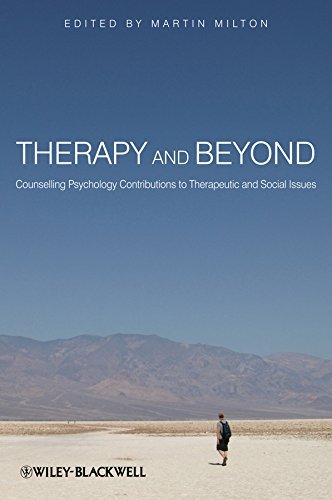
Academic: Therapy and Beyond: Counselling Psychology's contribution to therapeutic and social issues
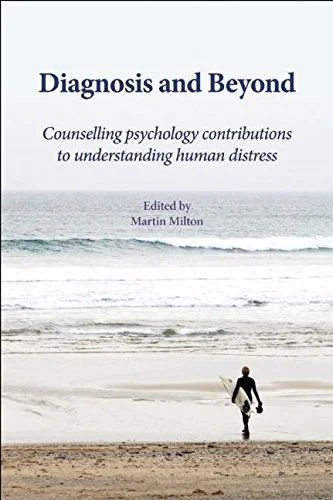
Academic: and Beyond: Counselling Psychology contributions to understanding human distress.

Fiction: I, Jack Parker?

This logo asserts that the books are human authored and not written with Generative AI

Fiction: Common Life
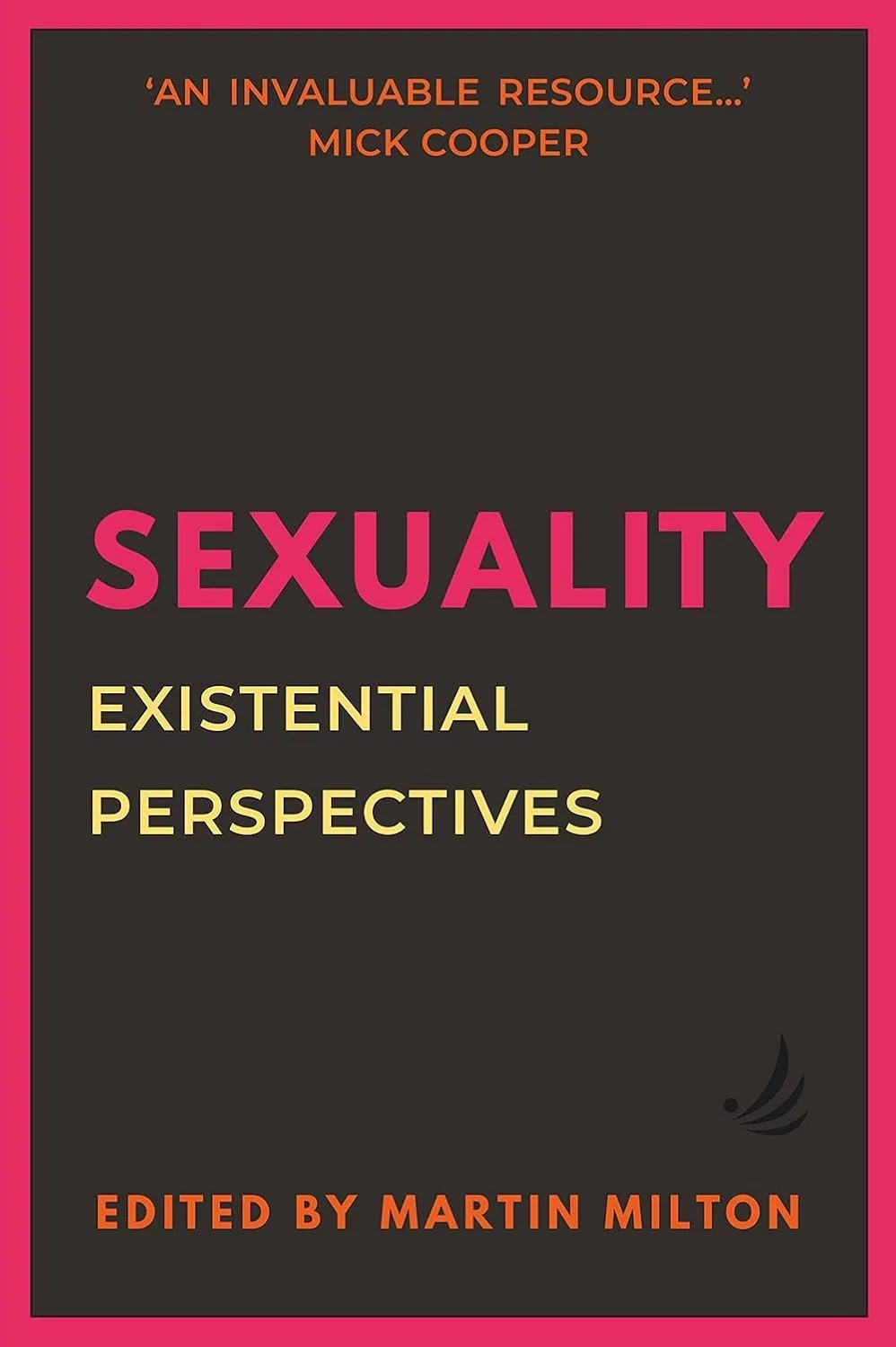
Academic: Existential Perspectives
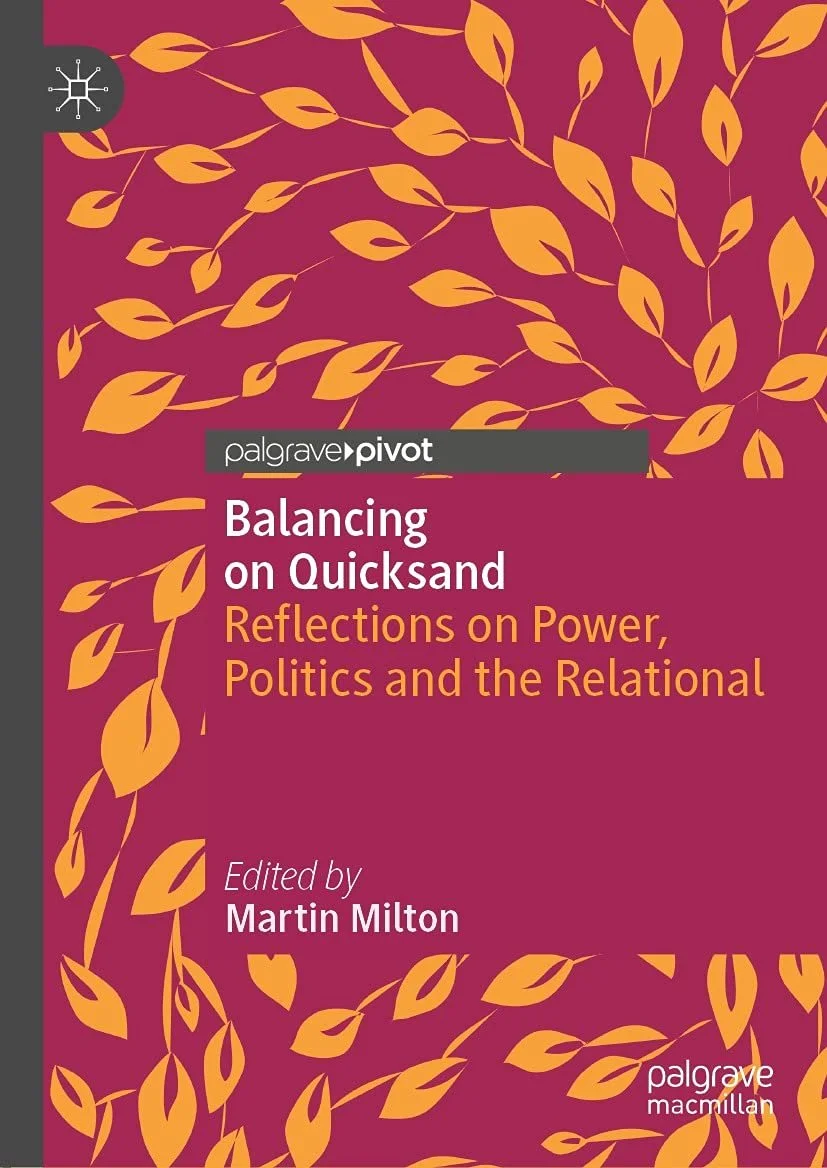
Academic: Balancing on quicksand: Reflections on power, politics and the relational
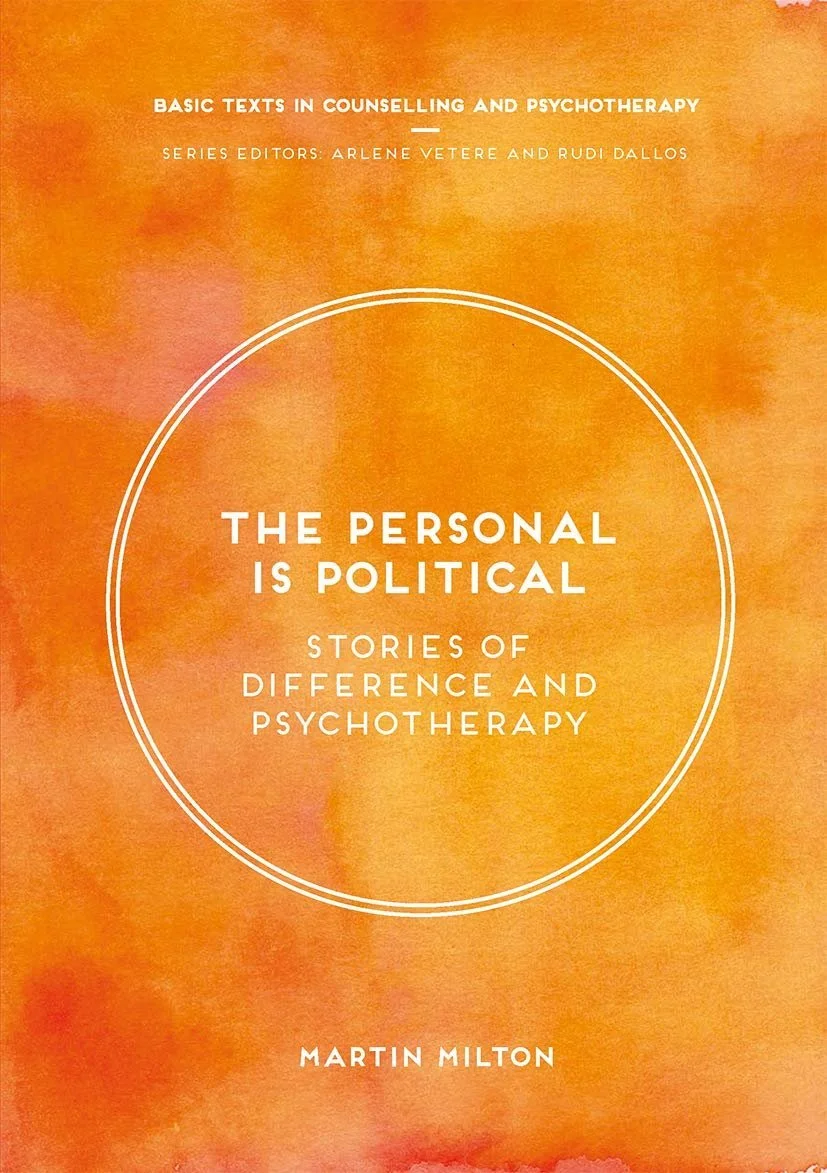
Academic: The personal is political: Stories of psychotherapy and difference
Frequently Asked Questions
Still have questions? Take a look at the FAQ or contact me.
-
I offer individual and relationship therapy, to people in couples or in poly relationships. I see people face to face or online to assist with stress, anxiety, depression and health anxiety.
Psychotherapy is a means of exploring oneself – both for personal development and also to resolve personal, emotional and psychological difficulties. It is like a focused conversation – we would talk about your difficulties, how you understand them and how they relate to your life in general.
Psychotherapy can be undertaken in ‘short-term’ or ‘long-term’ formats, face to face or through remote technology. Either way the period of time is discussed during the first meetings and at other times throughout the therapy. I currently have some (albeit limited) availability for both face to face and online clients.
Sometimes it is a bit upsetting to think so clearly about the problems you have, but it also brings relief – this needs particular consideration when trying to create a calm space at home for online therapy. We try to understand the difficulties you have now and how they came about. This allows us to consider together how you might tackle these difficulties effectively so that you can move forward more happily.
Psychotherapy has been proven to be helpful with a range of difficulties including depression, anxiety, family and relationship difficulties, work related stress and sexuality and sexual issues.
You might have read a lot about different ‘approaches’ to psychotherapy and how they are useful for different problems. As a psychologist specialising in psychotherapy, my approach to psychotherapy is influenced by existential, psychodynamic and cognitive approaches.
-
Please feel free to contact me - by email or phone. My consulting days are Wednesday, Thursday and Friday.
I will send you a self referral form for you to complete and to help me get an initial sense of whether I can be of assistance.
We will then look at a time in the week that suits you on a regular basis.
-
I am a chartered psychologist and existential psychotherapist and work with individuals and with people in relationships. I also offer therapy supervision.
I was Professor of Counselling Psychology at Regent´s University London until my retirement from academia and was an NHS Consultant Psychologist in Psychotherapy. I have experience of working with a range of emotional and psychological difficulties and with men and women from a wide range of backgrounds.
Whether working face to face or offering remote psychotherapy by phone or video platform, my work is always informed by attention to such factors as cultural background, disability and sexual orientation. My approach to psychotherapy is influenced by existential, psychodynamic and cognitive theories.
I currently have some (albeit limited) availability for clients and supervisees in face to face or online modalities.
I am a:
Recipient of the British Psychological Society Award for the Promoting of Equality of Opportunity.
Fellow of the British Psychological Society
Chartered Psychologist with the British Psychological Society (BPS) with full membership of the Division of Counselling Psychology
Consultant Member of the BPS register for Psychologists Specialising in Psychotherapy
Supervisor on the BPS RAPPS register
Counselling psychologist registered with the Health and Care Professions Council
-
Please see the contact section to send an enquiry, or to find my email address and phone number.
-
Sessions, whether face to face, by telephone or online, last for 50 minutes and once arranged will not be used to see other clients. You will be responsible for paying for them if you miss an arranged session. Fees vary on a sliding scale dependent on services offered and times required (some reductions are available for daytime sessions). Fees will be discussed and agreed with clients during the first session. Typical rates are indicated below.
Psychotherapy and Supervision sessions (50 minutes)
£125 – Standard fees.
£100 – Some places for individuals who are self funding.Should reports need to be written these will be charged at the rate of £100ph or part thereof..
Session fees should be paid at the end of the sessions. You can do this through BACS transfer or Internet banking. Unfortunately, I am unable to offer credit card facilities. In some circumstances sessions can be billed at the end of the calendar month. In that instance, invoices would be sent electronically unless advised otherwise and settlement would be expected within 7 days. Please note that delays in settlement will be subject to an administrative fee. Fees will be reviewed annually
-
I am registered with healthcare insurance companies such as Aviva, AXA, Vitality, and WPA. Different policies may vary in cover, so please do check specific policy conditions and gain approval and clarity about limits prior to commencing treatment.
Some healthcare insurance companies require a referral from a psychiatrist or from the company itself before the company will process your claim to cover the fees. Please ensure that you clarify any stipulations with your company as soon as possible.
-
In therapy, there are some practical agreements that help create a safe and consistent space. For example, sessions usually happen at the same time each week, and the fee for that time is still due even if you can’t attend. These structures may feel stricter than a GP or dental appointment, but they play an important role in supporting the work we do together. If you ever have questions or feelings about these arrangements, we can talk them through at the start of therapy or whenever they come up.
Although it may feel early to think about endings, they are an important part of therapy. When the time comes to finish, we’ll set aside space to reflect on what you’ve gained, consider any areas that may still need attention, and think about how you might continue that work in the future. This process often takes several weeks or more, so it’s best to plan the ending in advance rather than stopping suddenly.description
-
While legal restrictions have been lifted, much public discourse refers to the pandemic in the past tense, and much of the information about the spread of coronavirus is being removed from the public domain, the short-, medium- and long-term consequences of the virus means it is good practice to limit the risk of transmission.
If you have symptoms of coronavirus or any respiratory infection, it is important that you do not attend your session in person. Instead, please call to make alternative arrangements.
I am happy to use a mask if you would prefer.
While it is a multi-user consulting space, I keep windows open for ventilation and use a HEPA filter, to try to mitigate risks.
-
Guidance for Remote Psychotherapy sessions
Working online can feel a little different at first. So please do spend some time thinking about how you can optimise this experience. It would be helpful if you took a look at my colleague, Dr Elaine Kasket’s, very helpful webpage – to familiarise yourself with privacy, space and technological tips to assist you. This is available at
-
Regardless of whether we are working face to face or doing remote/ online psychotherapy, it is important that you know that your therapist works ethically and as a member of the British Psychological Society (BPS), and the Health and Care Professions Council (HCPC), I am closely bound by, and accountable to their codes of ethics and practice. Copies of these codes can be obtained from these bodies.
Confidentiality
Clients are often concerned about coming to see a psychologist as they discuss some very intimate, private and sensitive matters. So it is important that the content of therapy remains strictly confidential except in the following circumstances.
Privacy notice: Your consent form, emails, patient records and any other identifying material is kept securely locked and only used in service of our work together. Details will not be passed to others unless requested by you, required by your insurer or in the situations outlined below.
I undertake regular supervision for my work and our work together may be discussed in an anonymous format. This means I regularly review my work with a colleague so that I can be sure that my attempts to help you are well thought out. I do this without naming you or describing where you work, live etc. I am happy to discuss my supervision arrangements with you.
If a client were to give me information that led me to believe that someone was at risk of serious harm (themselves or someone else).
Situations where required by law.
If you are funding your therapy through an insurance company or an occupational scheme you need to check whether they will require reports from me or not. In these circumstances, the implications for confidentiality will be discussed before therapy is agreed
Social Media
Clients are advised that it is my normal practice not to accept invitations to be ‘friends’ on Facebook or to ‘follow them’ on other sites. -
As an independent practitioner working in the context of private practice, I do not have immediate access to multi-disciplinary teams or inpatient support. I am not able to operate a crisis or emergency service. Therefore, clinical responsibility should remain with your GP.
In the event of a crisis or emergency, please contact your GP (out-of-hours contact NHS 24 on 111), attend your local A&E department, or dial 999.
-
I am registered with the Health and Care Professions Council (HCPC) - the UK regulator of practitioner psychologists.
I am registered with the ICO as I have to receive and store such personal data as email addresses and keep notes.
Your consent form, emails, patient records and any other identifying material is kept securely locked and only used in service of our work together.
Details will not be passed to others unless requested by you, required by your insurer or in the situations outlined below.
The content of therapy remains confidential except in the following circumstances.
• I undertake regular supervision for my work, and our work together may be discussed in an anonymous format. I am happy to discuss my supervision arrangements with you.
• If a client were to give me information that led me to believe that someone was at risk of serious harm (themselves or someone else).
• Situations where required by law.
I regularly update myself about the implications of GDPR.
Please note that as I am based in the UK, registered with UK professional and regulatory bodies and have insurance based on my UK residence/ practice, any agreement to work together means that should it be necessary, UK authorities/courts will be utilised. International clients should check with authorities in their own location as some territories make it illegal to utilise therapeutic services from practitioners not licensed in-state.
Contact
Please contact me to discuss your needs and my availability